Northeast India
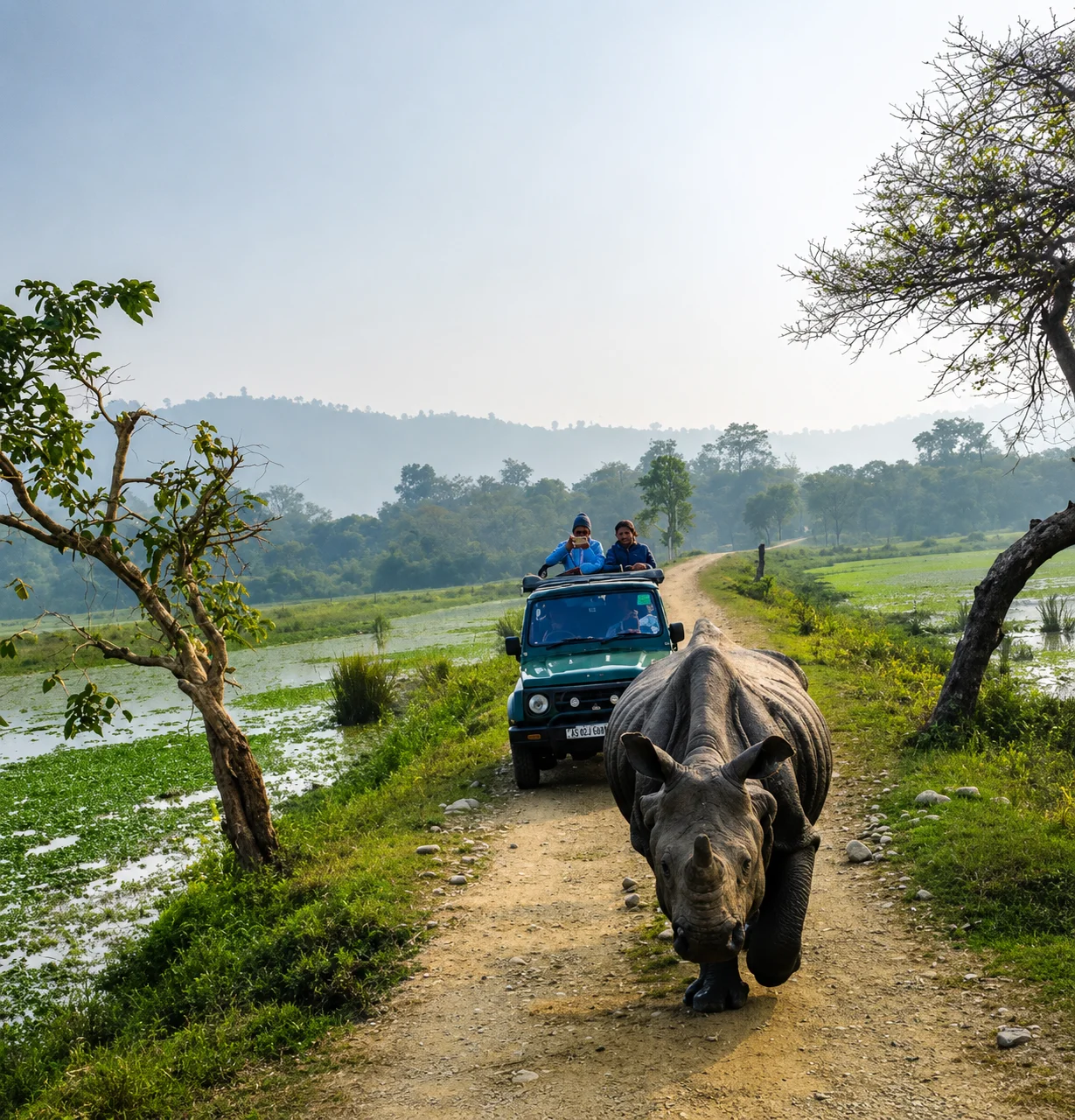
This Northeast India travel guide is the one I wish had existed when I first started taking clients there. Northeast India — the "Seven Sisters" states plus Sikkim — is a region that most Indian tourists have heard of but not visited. It is completely different from the rest of India in culture, cuisine, language, landscape, and attitude. The one thing travellers most often say after their first Northeast India trip: "Why did I wait so long?"
Northeast India shares borders with Bangladesh, Bhutan, China, Myanmar, and Nepal. Eight states in a region the size of France. The cultures here are not "Indian" in the mainstream sense — the Khasi, Garo, Naga, Mizo, Bodo, and Manipuri peoples have their own languages, food, music, and architectural traditions that predate modern India. Understanding this context makes the Northeast India travel guide make more sense.
The terrain ranges from the world's wettest place (Cherrapunji, Meghalaya) to the world's largest river island (Majuli, Assam) to tiger reserves and living root bridges and Himalayan monasteries. In 10 days, you can see more biodiversity than most trips in the rest of India.
The Inner Line Permit (ILP) is the most misunderstood part of any Northeast India travel guide. Many travellers assume all of Northeast India requires one — this is wrong. Here is the actual breakdown:
ILP costs Rs 100–300 and is obtained online (e-ILP portals now exist for most states) or at the state's office in Guwahati. Our Northeast India travel guide recommendation for first timers: start with Assam + Meghalaya, which require no ILP.
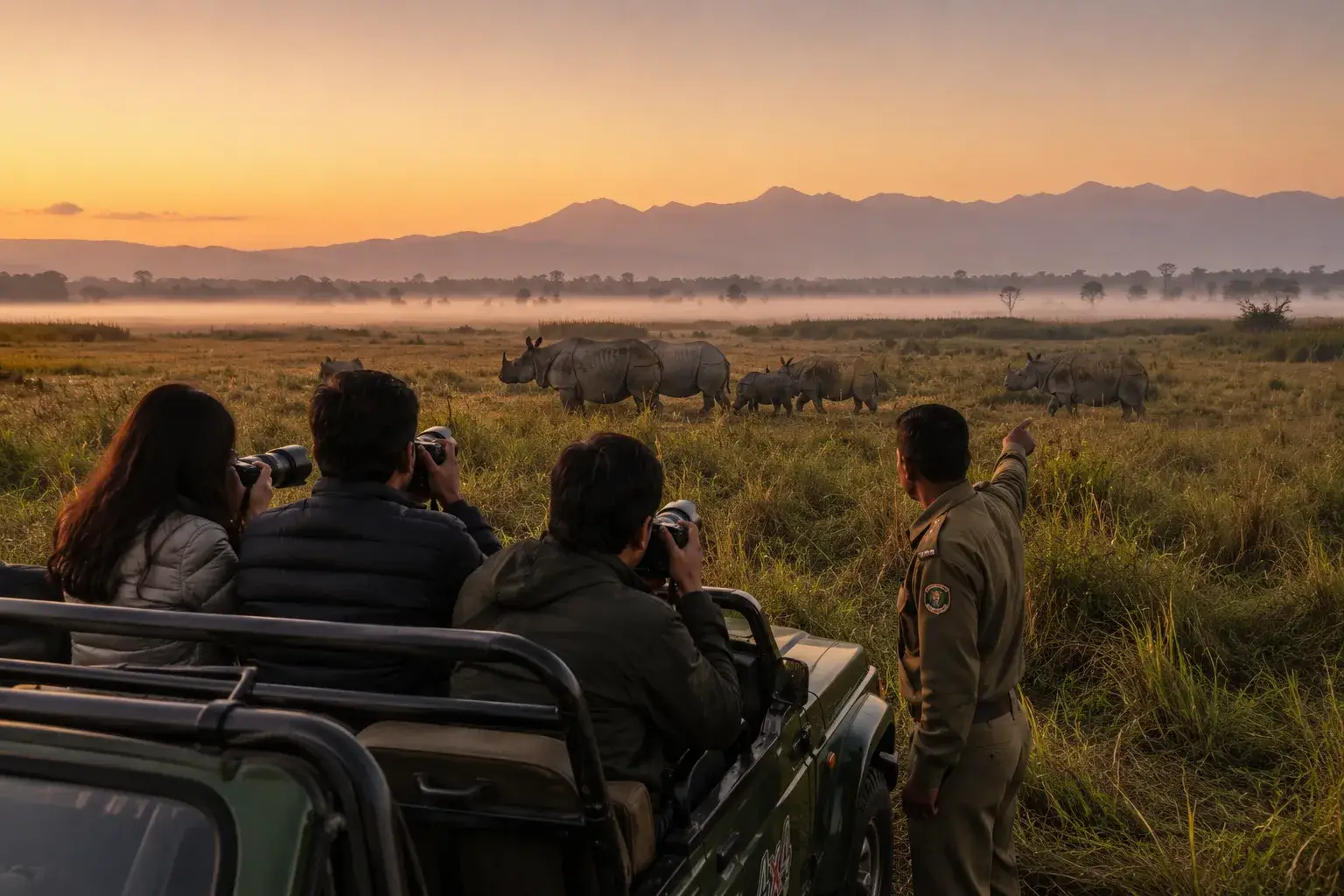
Kaziranga at sunrise — the most iconic wildlife moment in any Northeast India travel guide
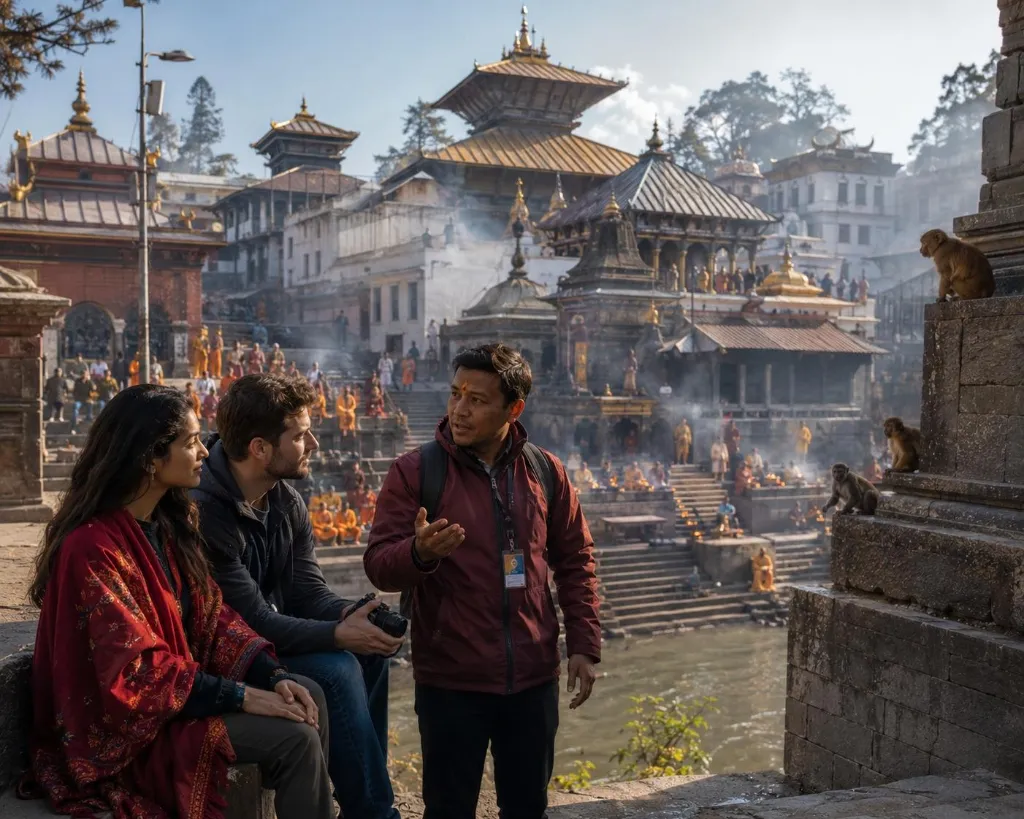
Guwahati is the main entry point for Northeast India — flights from all major Indian cities, and it connects by road and rail to all other states. Kamakhya Temple in Guwahati is one of India's most important Shakti temples, and the ghats on the Brahmaputra at sunset are quietly stunning.
Kaziranga National Park, 4 hours from Guwahati, holds two-thirds of the world's wild one-horned rhinoceros population. The jeep safari (Rs 2,000–2,500 per vehicle) in the Central Range is the benchmark wildlife experience in Northeast India. Elephant safaris are also available at dawn. Tiger, wild buffalo, swamp deer, and hornbills all share the same grassland.
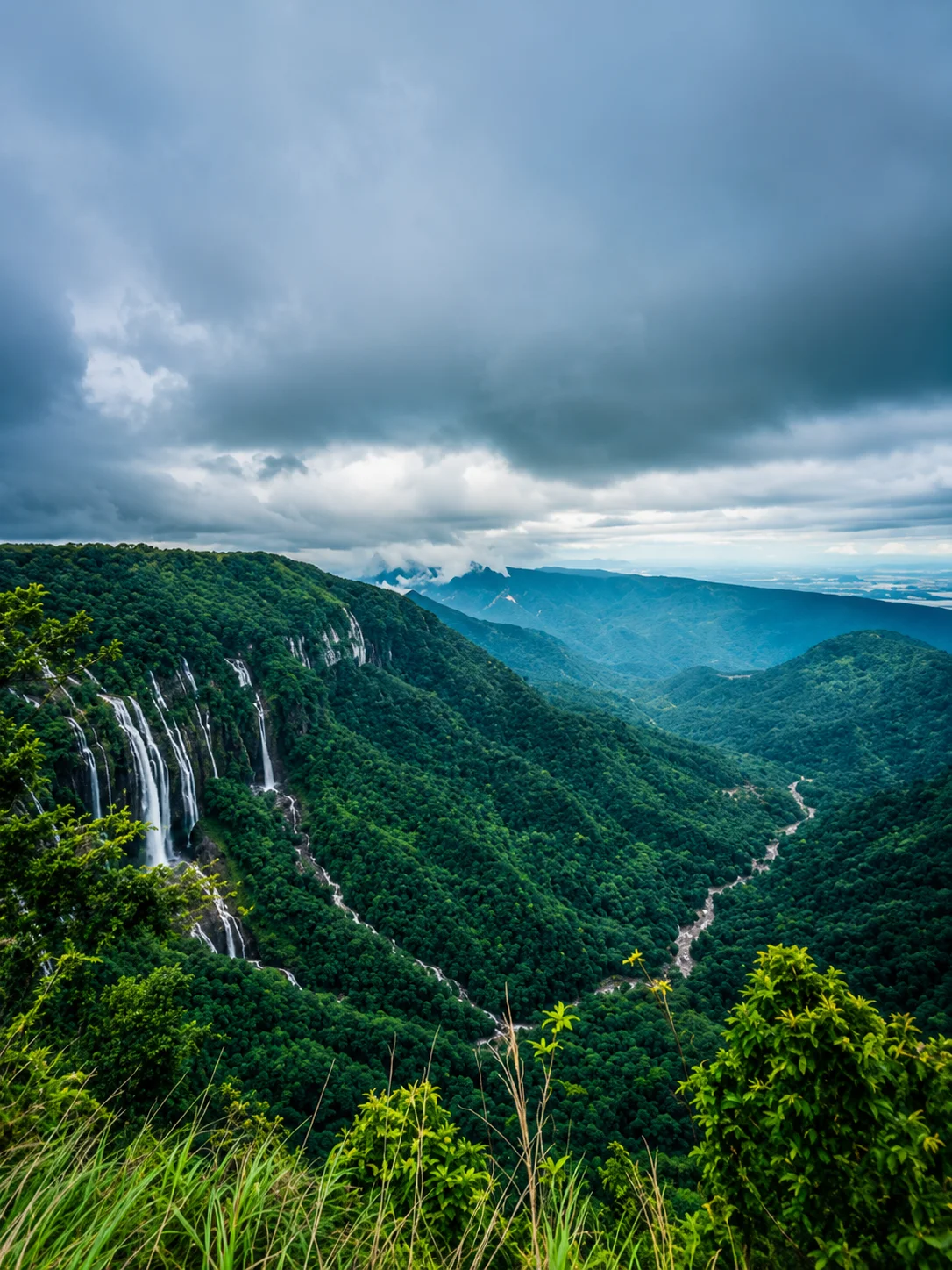
Cherrapunji waterfalls — Meghalaya receives up to 11,000mm of rainfall per year
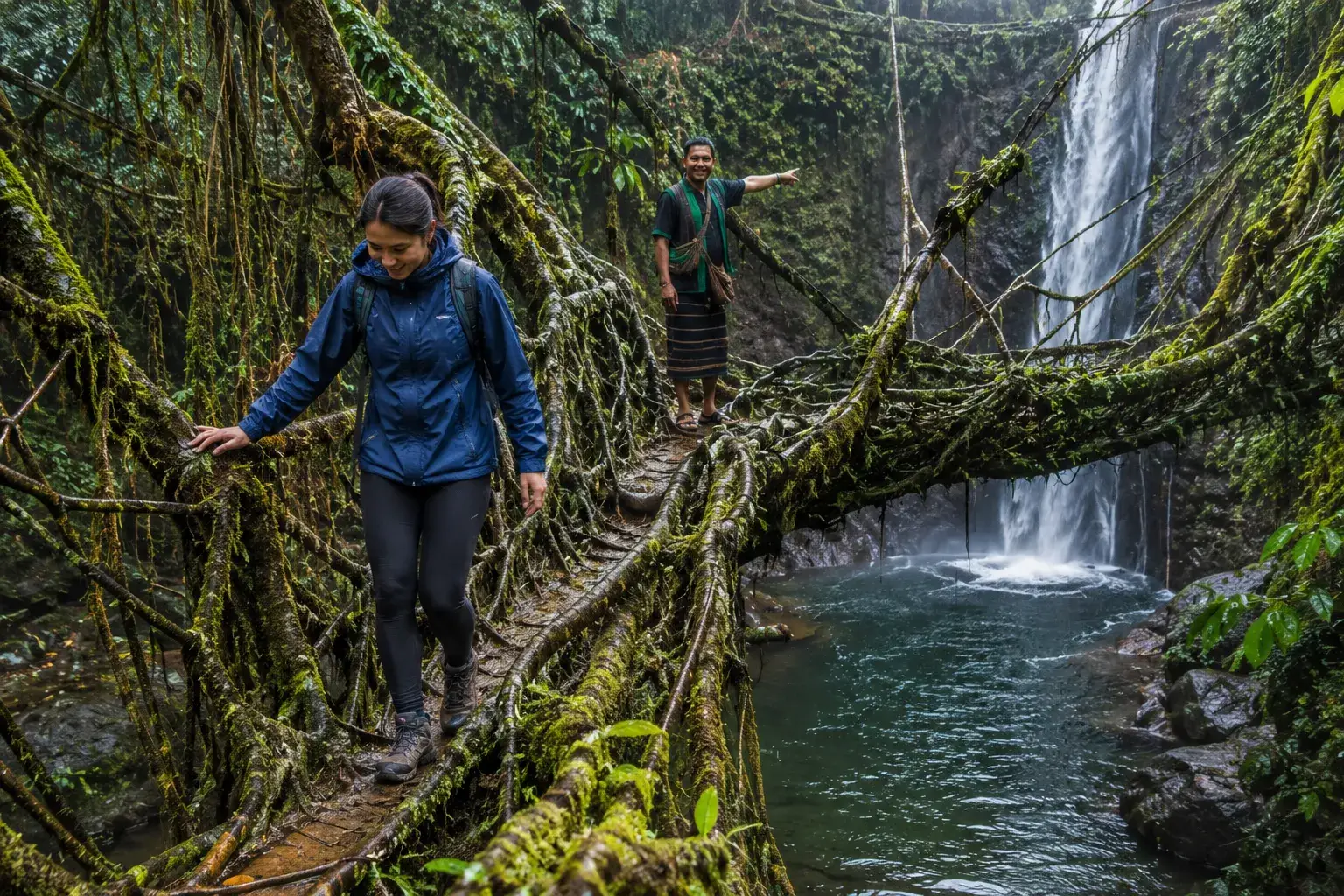
Meghalaya ("abode of clouds") is the most visually dramatic state in Northeast India. Living Root Bridges — bioengineered bridges made from the aerial roots of rubber trees — have been grown by the Khasi people for 500 years. The double-decker bridge at Nongriat requires a 3,000-step descent and is the most famous, but there are dozens across the Khasi and Jaintia hills. Cherrapunji holds multiple world records for rainfall. In monsoon, the waterfalls here are among the most powerful in Asia.
October to April is ideal. Clear skies, comfortable temperatures (15–28°C in plains, cooler in hills), Kaziranga safari fully open, Living Root Bridge trails accessible.
Monsoon (May–September) is controversial — Meghalaya is extraordinary but Cherrapunji can receive 500mm in a single day. If you come in monsoon, focus on Assam (Kaziranga partially open) and upper Meghalaya.
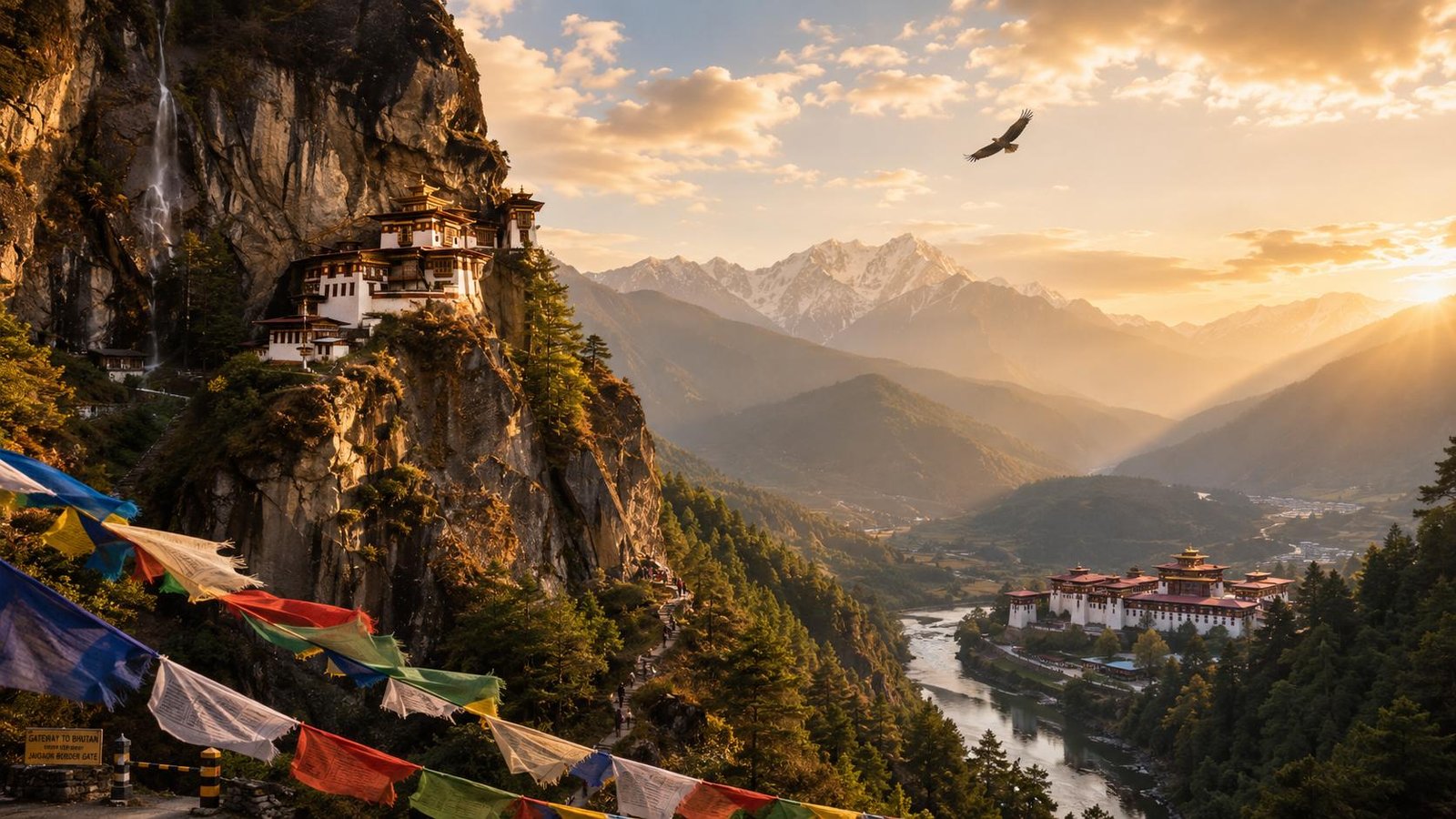
From our Northeast India travel guide team: "Combine Northeast India with Bhutan by entering through Jaigaon and exiting through Guwahati — or vice versa. You cover the eastern Himalayas in two weeks without doubling back."
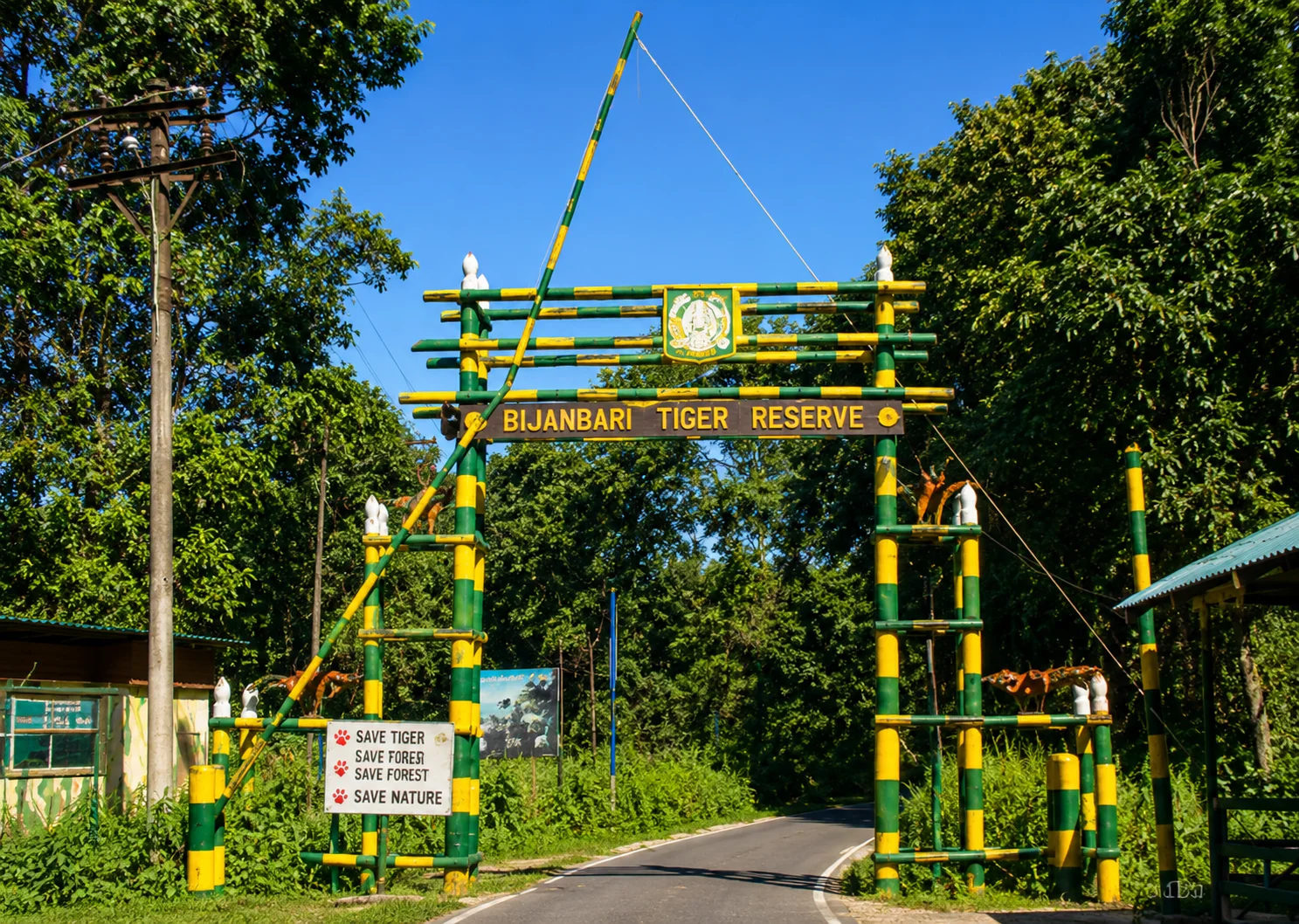
We build Northeast India tours combined with Bhutan and Dooars — efficient circuits that make the most of your travel time from Jaigaon. Contact us to plan your Northeast India itinerary. More information on India Tourism's Northeast page.
Our local team plans Kaziranga, Meghalaya and Bhutan circuits that make the most of every day.