Travel Tips
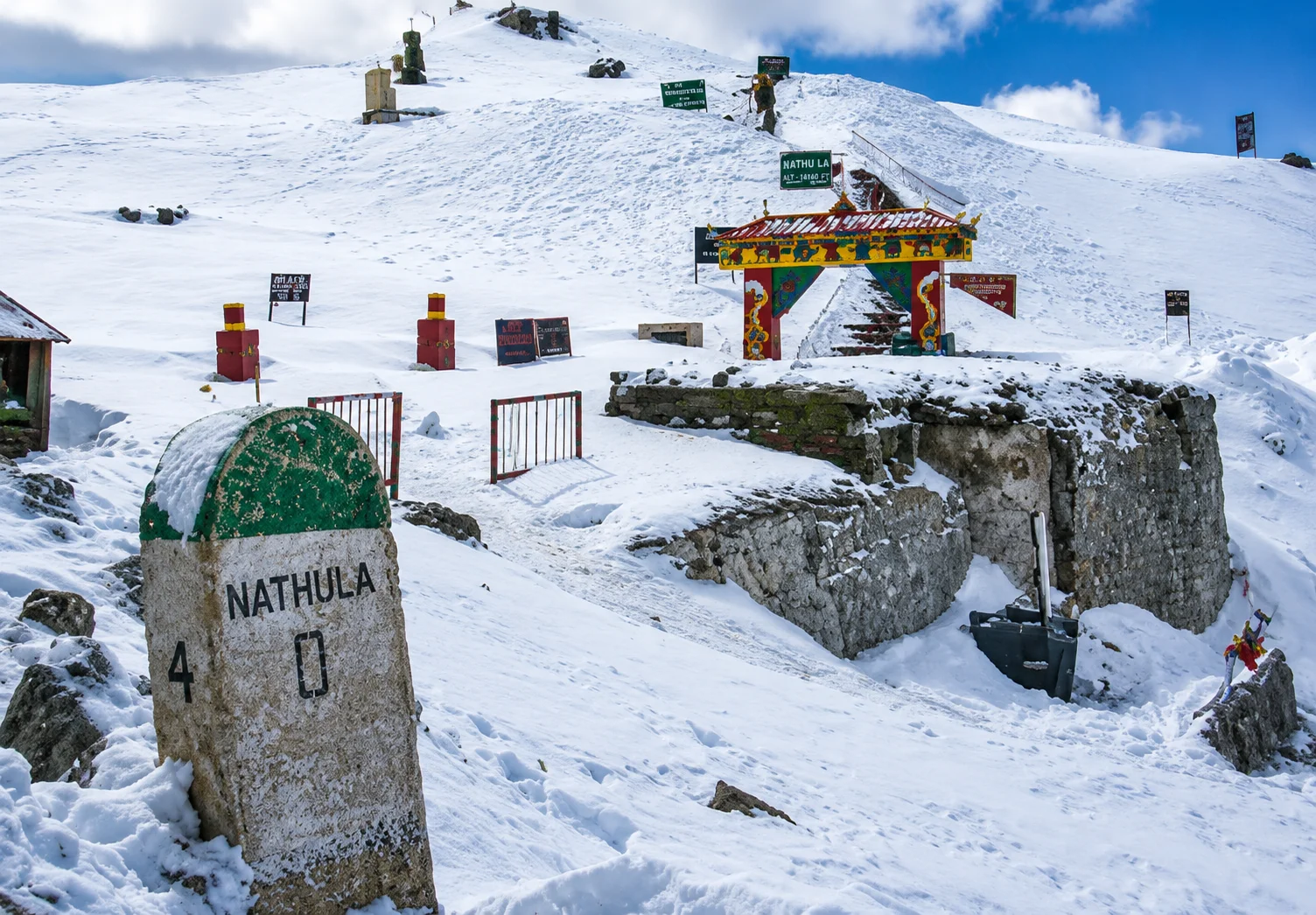
Himalayan trip problems are real and they happen more often than any travel brochure will tell you. In seven years of running tours in the eastern Himalayas, we have seen everything. Landslides that block roads for 14 hours. Altitude sickness at Dochula Pass. A permit rejected at Phuentsholing because one document was missing. Hotels overbooked at Paro in October. Here is every common Himalayan trip problem we have encountered, and exactly how we deal with it.
The Himalayas are beautiful precisely because they are extreme. Mountains over 7,000 metres. Rivers that change course in monsoon. Roads cut into cliffs 2,000 metres above valley floors. Permits required for a dozen different zones. The same conditions that create the views and the culture also create the problems. Understanding this helps — and being with a local operator who has handled each problem 50 times helps more.
Mountain roads in the eastern Himalayas are vulnerable to landslides, especially in monsoon (June–September) and immediately after. A single landslide can close the main highway for 4–24 hours.
Our fix: We monitor road conditions daily through local contacts. If a landslide is reported, we reroute immediately using alternate roads we know, or delay departure by 90 minutes. Clients are notified and their hotel/meals are adjusted. We carry sleeping bags in the vehicle for extreme cases.Altitude sickness can affect anyone at elevation — headache, nausea, dizziness, and in serious cases, dangerous fluid accumulation in the lungs or brain.
Our fix: We brief every client on symptoms before departure. Our guides carry portable oxygen, basic medication, and Diamox tablets. We pace ascents — never gaining more than 500m in a day above 2,500m. If symptoms appear, we descend immediately and contact the nearest hospital.Bhutan permits, Sikkim ILPs, and North Sikkim permits have specific document requirements. A missing signature, wrong form version, or photocopy instead of original can cause rejection.
Our fix: We prepare all documents on behalf of our clients, check them twice, and accompany clients through every permit process. We have direct relationships with permit officials at Phuentsholing. In 7 years, we have had zero permit rejections for clients we accompanied personally.October–November (autumn, festivals) and March–May (spring) are peak seasons in Bhutan, Darjeeling, and Sikkim. Hotels overbook and sometimes cannot honour reservations.
Our fix: We pre-block rooms at backup hotels during peak season bookings. Our clients have a confirmed backup hotel before they board the train. In peak season, we book 90 days in advance and hold the room with a deposit.Third-party drivers booked through agents sometimes cancel at the last minute or send an unqualified replacement.
Our fix: We own our primary vehicles and employ our regular drivers directly. For overflow, we use drivers we have worked with personally for 3+ years. Our backup driver is always on call.Tiger Hill at Darjeeling is cloud-covered on approximately 40% of mornings in peak season. Clients wake at 3am and drive 11km to see nothing but grey fog.
Our fix: We check weather forecasts and local visibility reports before waking clients. If Tiger Hill is unlikely to clear, we offer Batasia Loop or Ghum Monastery as early-morning alternatives. If the client insists on Tiger Hill and it is cloudy, we try to reschedule to a second morning. Partial refund policy for consistent cloud cover on the only available morning.Signal is zero in many Himalayan valleys, forest areas, and high passes. Tourists who rely on Google Maps or WhatsApp for navigation are suddenly without either.
Our fix: Guides carry offline Maps.me downloads for all routes. We share emergency contact numbers in printed form before departure. All our guides have satellite-capable walkie-talkies for deep mountain routes.A twisted ankle on the Tiger's Nest hike, a cardiac episode in Sikkim, anaphylaxis from an insect sting — all have happened on Himalayan tours.
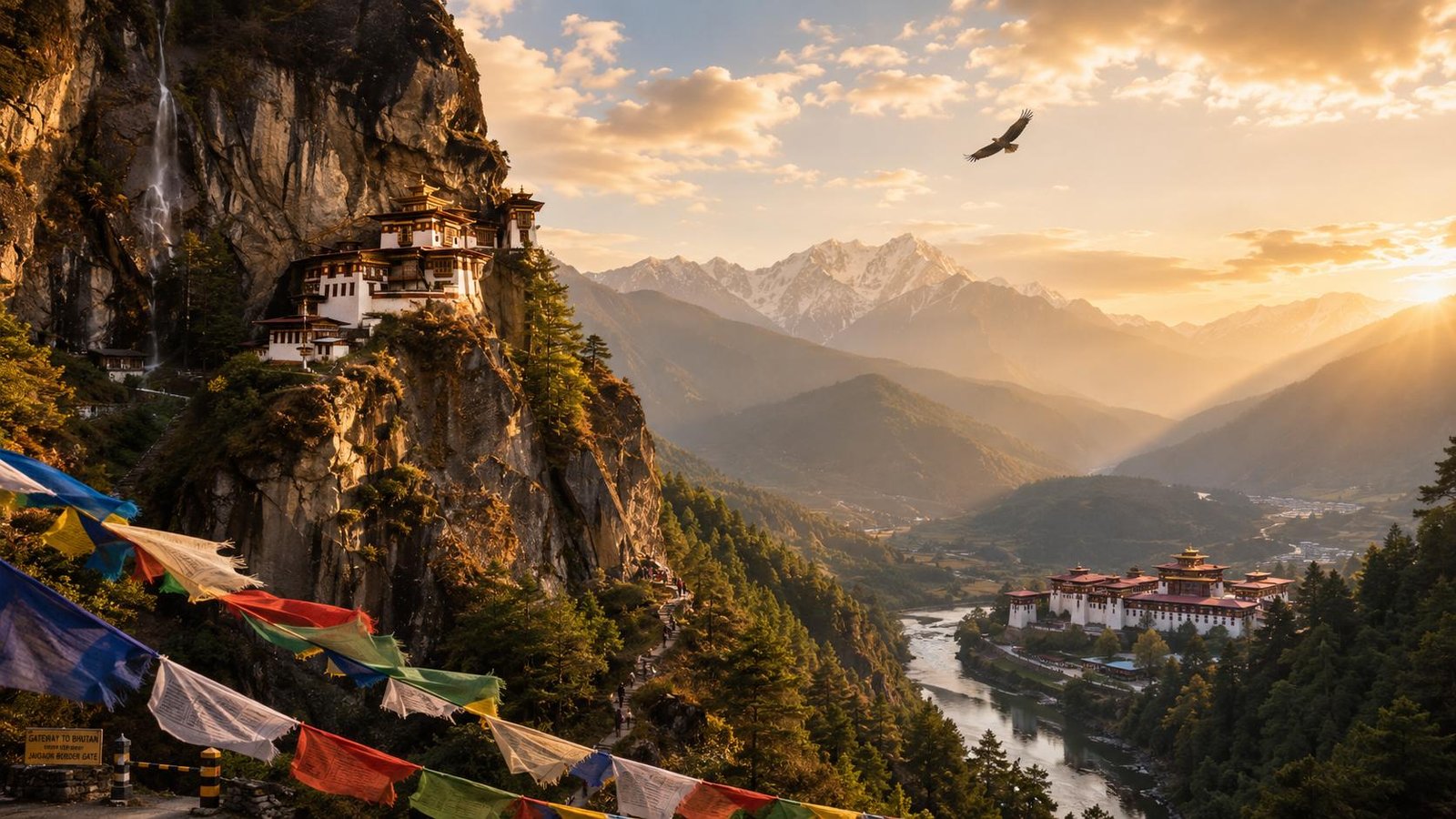
Our fix: All guides are first aid trained. Vehicles carry a medical kit. We brief every client on the nearest hospital to each destination (Paro Hospital for Bhutan, Gangtok's STNM Hospital for Sikkim). For the Tiger's Nest hike, we pre-arrange horse evacuation availability for medical emergencies.Airlines and railways lose luggage on Himalayan routes more than on metro routes — the last-mile handling is manual and rushed.
Our fix: We brief clients to pack valuables and medication in carry-on. We keep the airline/railway file numbers and assist in tracking. In cases of 24-hour delays, we arrange basic clothing and toiletries from local markets at cost. Travel insurance is strongly recommended — we remind clients three times before departure.Scam tour operators using Google Ads or social media target Himalayan destinations. Red flags: no physical office address, payment only through UPI to a personal number, no official registration certificate.
Our fix: WanderWaysHolidays is a registered travel business in Jaigaon, West Bengal. Visit us in person at Vivekananda Pally before paying anything. Our office is 200 metres from the Phuentsholing border gate. We provide a signed service agreement for every booking.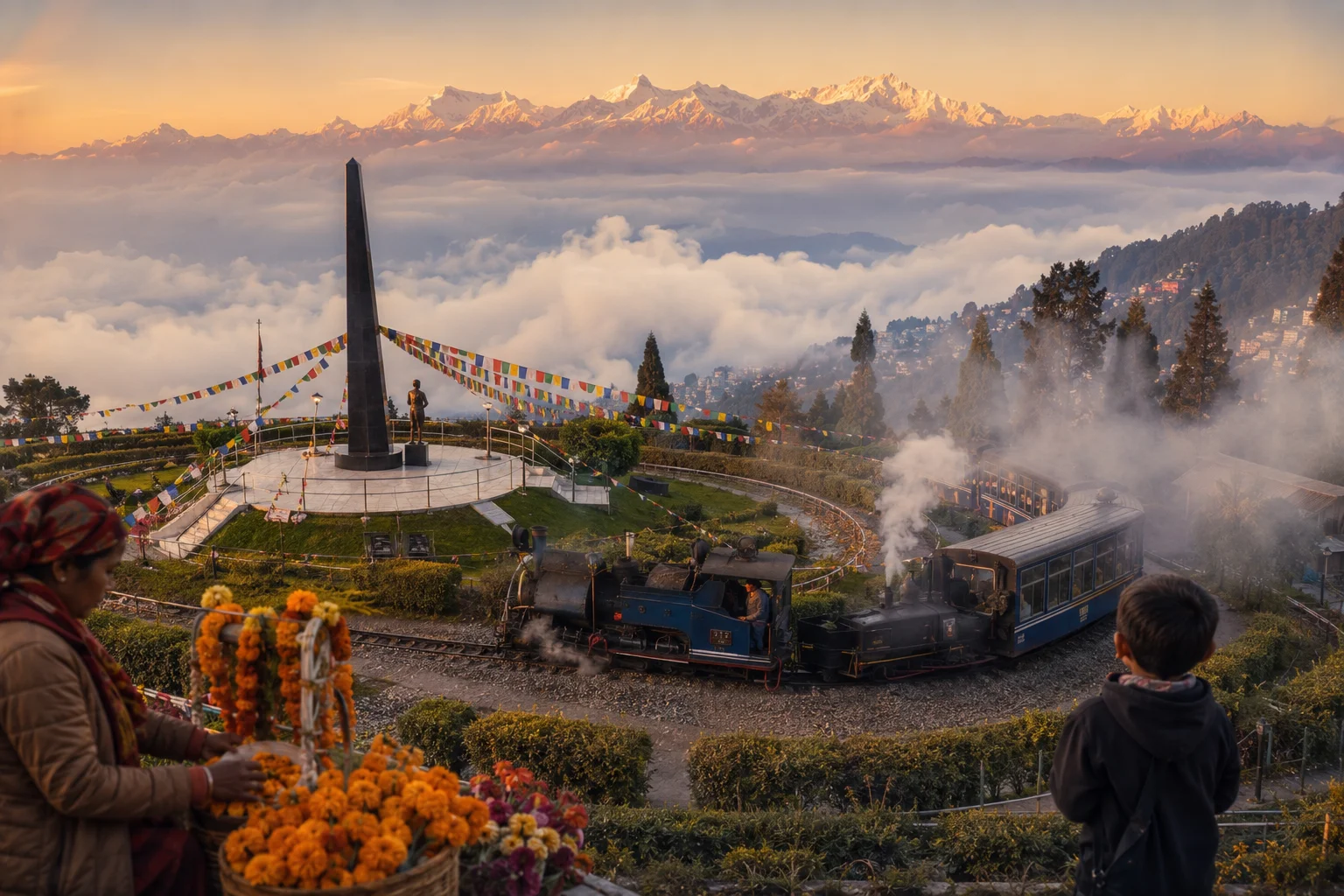
When Tiger Hill is cloudy, Batasia Loop at sunrise is our go-to alternative — and sometimes better
A tour operator based in Delhi or Mumbai knows Himalayan trip problems in theory. We know them in practice. We know the specific checkpoint where landslide warnings come first. We know the doctor in Paro. We know which Bhutan immigration officer works on Tuesdays. Local knowledge is not a marketing phrase — it is the difference between a one-hour disruption and a ruined day.
Read about our team and how we work, or contact us directly to plan a Himalayan trip that is prepared for everything.
Our policy on Himalayan trip problems: If something goes wrong that was within our control to prevent, we fix it at no extra cost. If it was beyond our control (weather, landslide), we work every option to minimise the impact. We do not leave clients stranded.
Seven years of experience solving every problem in this list — before they reach you.